
Saffron Israeli Couscous with Roasted Artichoke Hearts
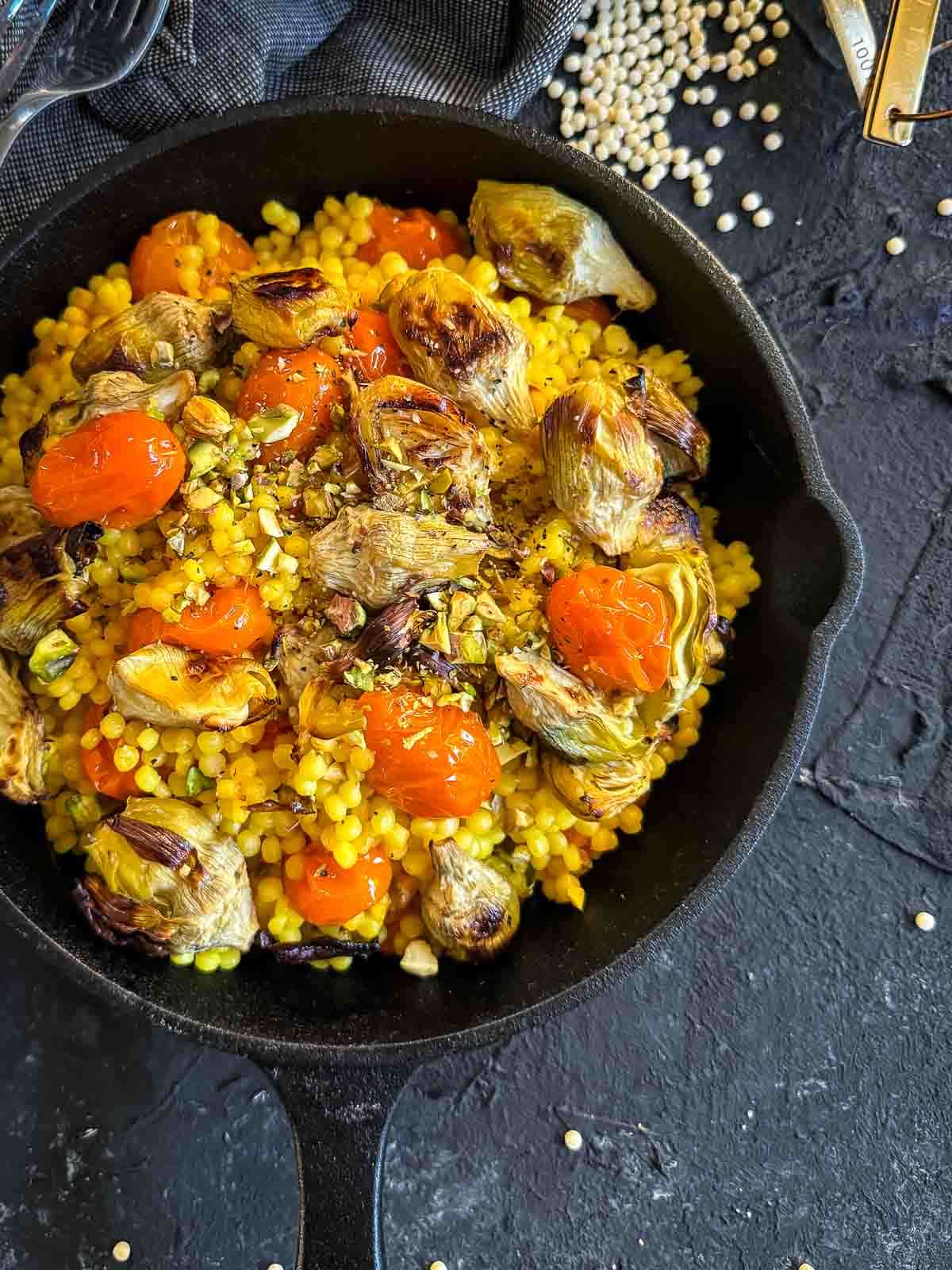
This saffron Israeli couscous salad with roasted artichoke hearts, blistered tomatoes and pistachios is elegant, easy and bursting with interesting flavours.
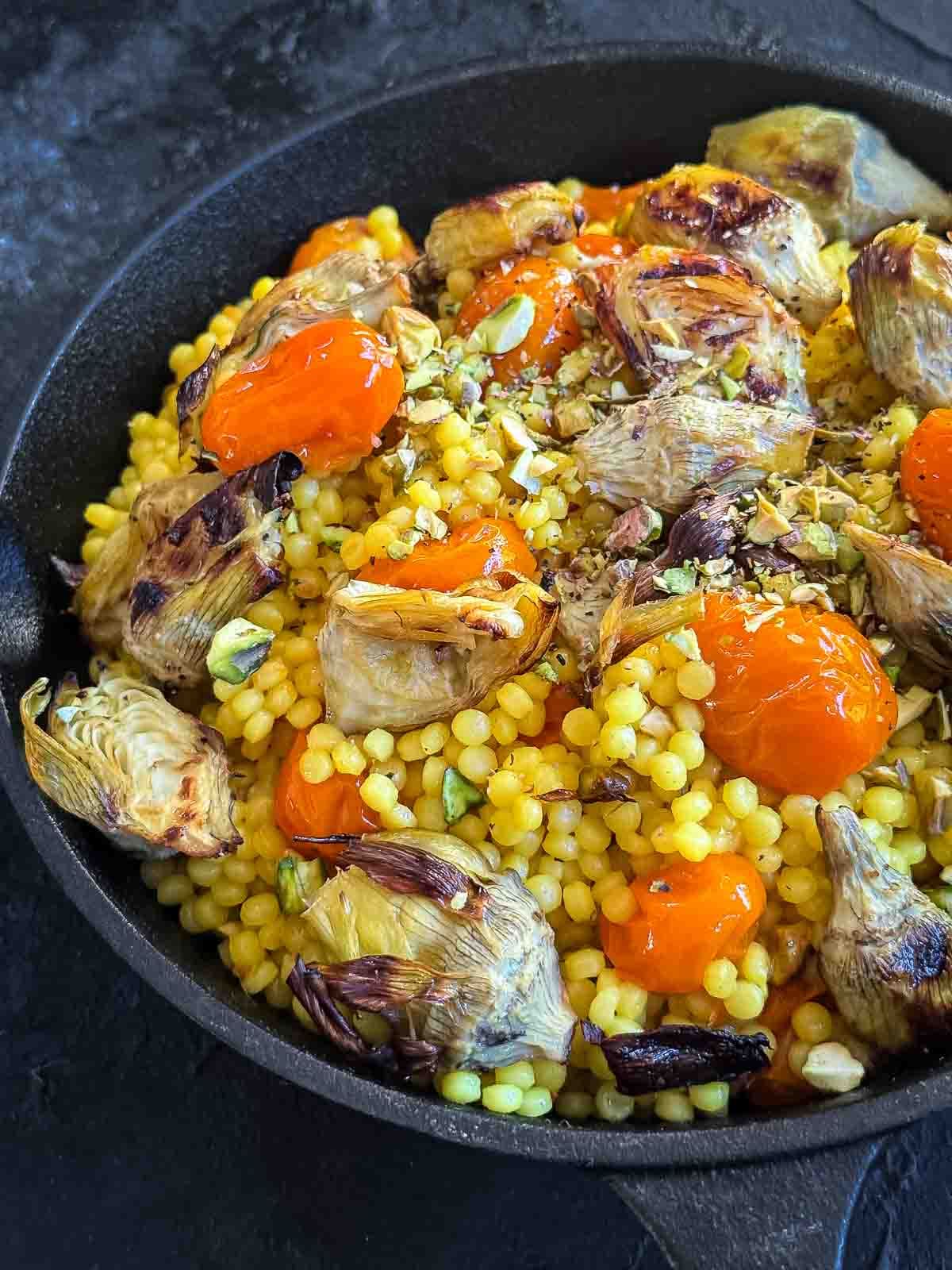
The Israeli Couscous Recipe That Looks Like Fine Dining and Cooks Like a Dream
This saffron Israeli couscous is one of those recipes that stops people mid-bite to ask what on earth is in it.
Golden, fragrant pearl couscous cooked in saffron-infused water, tossed with blistered cherry tomatoes bursting with juicy sweetness, roasted artichoke hearts tucked in between, a squeeze of fresh lemon, and a scattering of chopped pistachios on top.
It is a dish that smells incredible as it cooks, looks absolutely stunning on a platter, and tastes complex and deeply satisfying in a way that belies just how straightforward it is to make.
What makes cooking Israeli couscous with saffron so special is how the saffron transforms the whole dish.
Those golden threads, steeped in the cooking water, infuse every pearl with a warm, slightly honeyed, floral fragrance that is completely unlike any other spice.
The couscous absorbs it fully as it cooks, turning a gentle gold that makes the finished dish glow on the plate.
The blistered cherry tomatoes then add a jammy, sweet acidity that is the perfect counterpoint to that warmth. At the same time, the roasted artichoke hearts bring an earthy, nutty depth that makes this Israeli couscous salad feel genuinely substantial.
For more grain-based salads with serious flavour, our Farro Side Dish with Mozzarella is another great place to explore.
At 40 minutes total including all three components of roasting, cooking couscous, and blistering tomatoes, this is an achievable weeknight side that also has the presence to anchor a dinner party spread.
It is vegetarian, dairy free, and naturally elegant. This is the kind of recipe that goes into your permanent repertoire the first time you make it, and the saffron Israeli couscous base alone will have you thinking of a hundred different ways to use it again.
Saffron: The Most Extraordinary Spice in Your Kitchen
Saffron is the most expensive spice in the world by weight, and once you understand what it does in a dish like this, you will see exactly why it is worth every cent.
We love saffron as the flavour is warm, slightly honeyed, and floral with a subtle metallic edge that is impossible to replicate with anything else.
The colour it imparts is a deep, luminous golden yellow and is what gives this saffron Israeli couscous its signature visual drama.
If you love cooking with this bold, distinctive ingredient, our Vegan Millet Recipe with Saffron Broth is another recipe that shows what a great spice can do.
Pearl Israeli couscous cooked in saffron-infused water, combined with blistered cherry tomatoes, roasted jarred artichoke hearts, fresh lemon juice, and chopped pistachios. Prep 10 mins, cook 30 mins. Vegetarian, dairy free, and vegan.
Recipe Overview
Flavour/Texture: Warm, fragrant, and deeply layered. The saffron gives the couscous a floral, honeyed richness.
The blistered tomatoes are jammy, sweet, and slightly acidic. The roasted artichoke hearts are earthy and tender with slightly caramelised edges.
The lemon lifts everything with brightness. The pistachios add crunch and a subtle nuttiness on top.
Each component does something different, and together they create a dish that is genuinely complex and satisfying.
Ease: Three components cook simultaneously, which means the total time is far less intimidating than it sounds.
The artichokes roast in the oven while the couscous cooks on the stovetop, and the tomatoes blister in a pan in 2–3 minutes at the very end.
The assembly is a matter of folding everything together and tucking the artichokes in on the platter.
If you can manage three things on the go at once – oven, pot, pan – you will find this recipe very manageable, and the result will make you feel like a proper cook.
Time: Forty minutes total, with 10 minutes of actual hands-on prep.
The oven does the heavy lifting for the artichokes, and most of the cook time is passive. It is a highly efficient recipe that delivers impressive results for the time invested.
Ingredients For Saffron Israeli Couscous
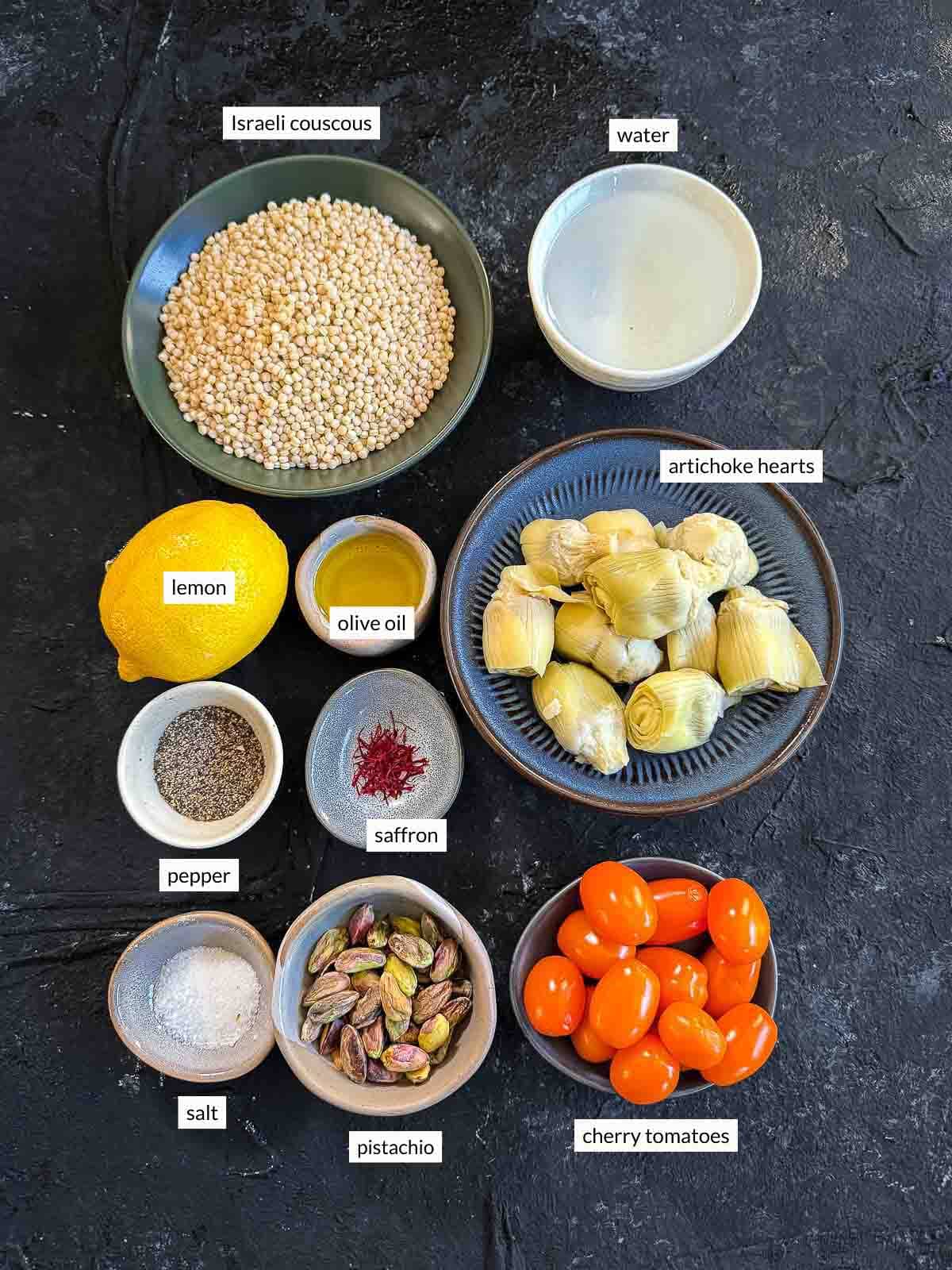
Artichoke Hearts: Jarred artichoke hearts are one of the great pantry shortcuts as they are already cooked, trimmed, and ready to roast. We used them for our Tomato Artichoke Salad, and it worked a treat.
Look for artichoke hearts packed in water or brine rather than a heavily seasoned marinade, which can compete with the saffron flavour.
Rinse and pat them completely dry before roasting, as any residual moisture will steam rather than roast them and you will lose those slightly caramelised edges that make them so good.
Olive Oil: Split across three uses: 2 tsp for the artichokes, 2 tsp in the couscous cooking water, and 2 tsp for blistering the tomatoes.
The olive oil in the couscous cooking water helps keep the pearls from sticking together as they cook and adds a subtle richness. Use a good quality extra virgin olive oil throughout.
Saffron threads: For buying guidance, look for deep red threads with no yellow or white ends, which indicate lower quality.
Israeli Couscous: Also known as pearl couscous or ptitim, Israeli couscous is a toasted pasta made from semolina flour, and it is not the same as the fine-grain Moroccan couscous most people are familiar with.
The pearls are round, chewy, and satisfying, and they absorb cooking liquid beautifully without turning mushy. Find it in the pasta or grains aisle of major supermarkets, at Middle Eastern grocery stores, or at specialty food stores. It is increasingly widely available.
The remainder of the couscous can also be used to make Roasted Rainbow Carrots with Pearl Couscous or Roast Pumpkin Salad with Israeli Couscous.
Cherry Tomatoes: Use ripe, flavourful cherry tomatoes. The sweeter the better, as blistering concentrates their natural sugars into a jammy intensity.
Truss or vine cherry tomatoes tend to have more flavour than pre-packaged loose ones.
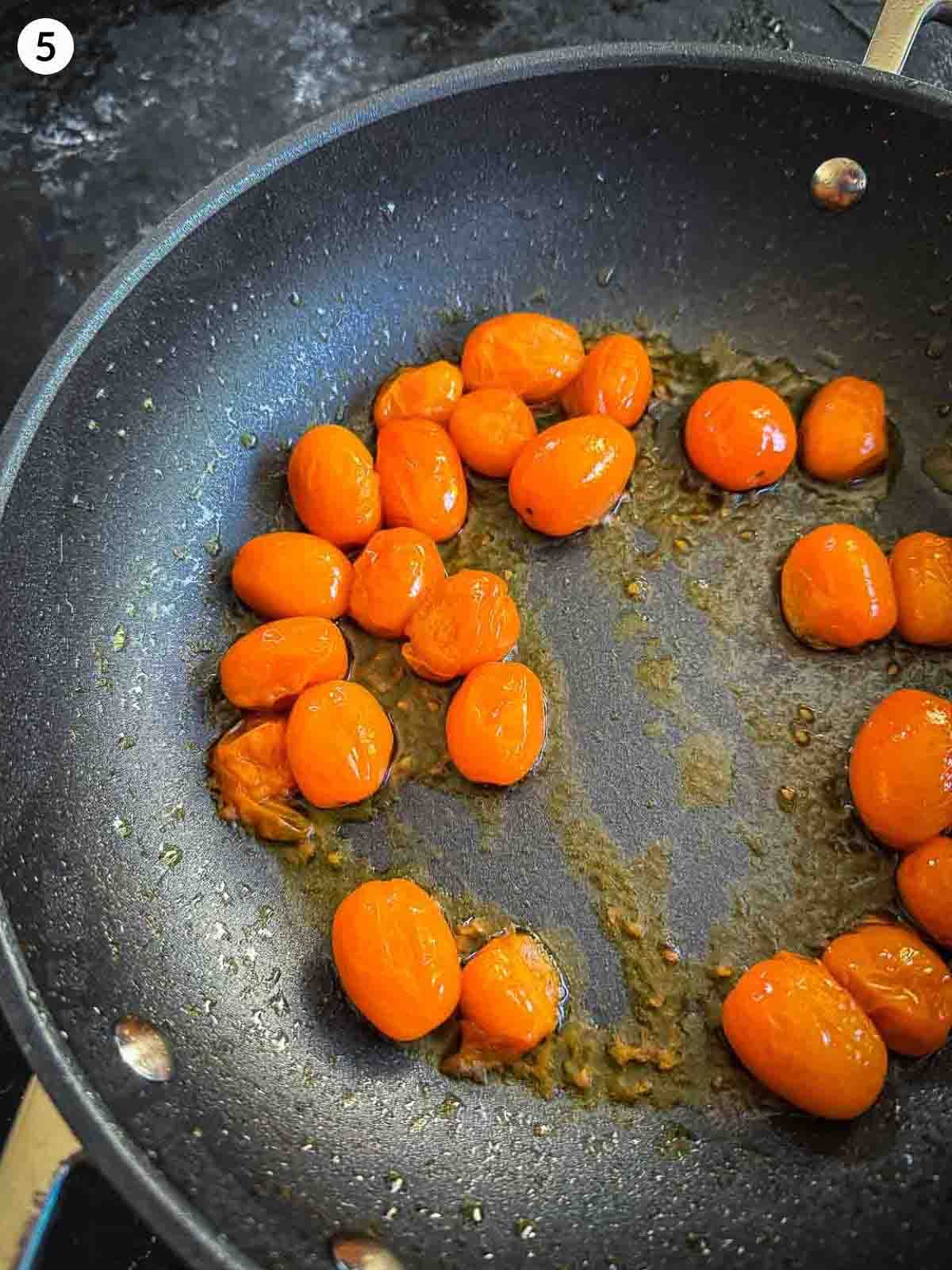
The goal when blistering is to get them just to the point of bursting without them completely collapsing. 2–3 minutes over medium heat is all it takes.
Lemon: Fresh lemon juice added at the end brightens and lifts the whole dish, cutting through the richness of the olive oil and the earthiness of the artichokes.
Pistachios: Roughly chopped pistachios scattered on top add crunch, nuttiness, and a vivid green colour that looks beautiful against the golden couscous and red tomatoes.
Use raw or roasted unsalted pistachios. Reserve a small amount specifically for garnish on the final platter.
One cup of Israeli couscous cooked in saffron-infused water with olive oil. Jarred artichoke hearts rinsed, dried, halved, and roasted in olive oil. Cherry tomatoes blistered in olive oil with all remaining ingredients folded through and finished with fresh lemon juice, chopped pistachios, salt and pepper. Artichoke hearts tucked into the platter at assembly.
Variations And Substitutions
Air fryer artichokes: Air fry at 200°C for 10–12 minutes, flipping halfway. Faster than the oven and produces excellent caramelisation on the edges.
This worked perfectly for our Air Fryer Eggplant with Roasted Red Pepper Sauce and Air Fryer Potatoes with Truffle Salt.
Add herbs: Fresh flat-leaf parsley or fresh mint stirred through at the end adds brightness and a herby freshness that complements the saffron beautifully. Dill is another lovely option.
Add feta: Crumbled feta scattered over the top before serving adds a salty, creamy contrast that works very well with the saffron and tomatoes. It makes the dish more substantial too.
No jarred artichokes? Frozen artichoke hearts work well. Thaw completely and pat very dry before roasting. Fresh artichokes are wonderful but require significant prep time.
Add more vegetables: Roasted zucchini, blistered capsicum, or roasted cauliflower florets all work beautifully with saffron couscous. Keep the additions similar in size to the other components.
Swap the nuts: Toasted pine nuts are a classic alternative to pistachios and pair beautifully with the Mediterranean flavour profile. Toasted almonds work too.
How To Make Saffron Israeli Couscous Salad
How To Roast Artichokes
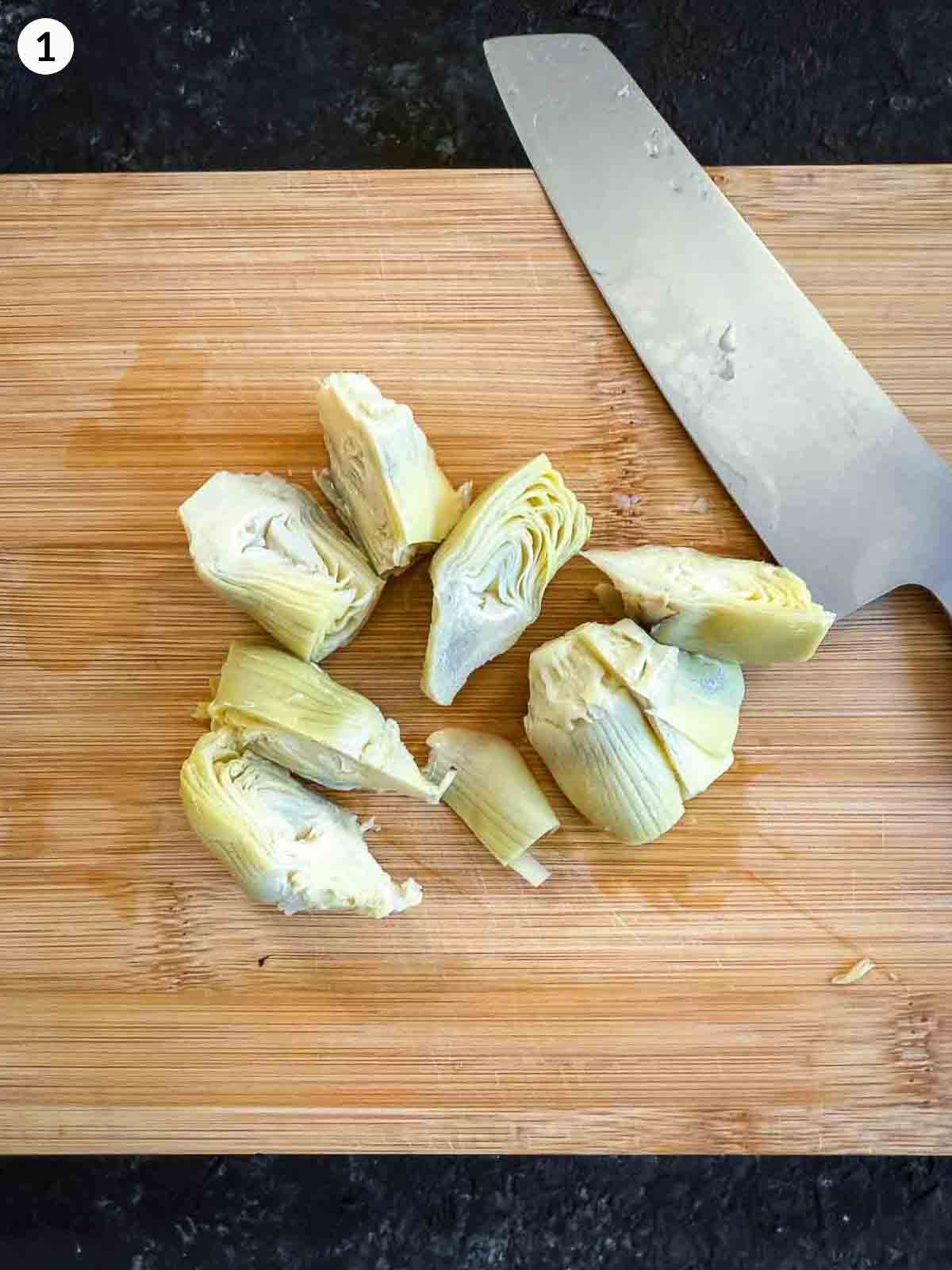
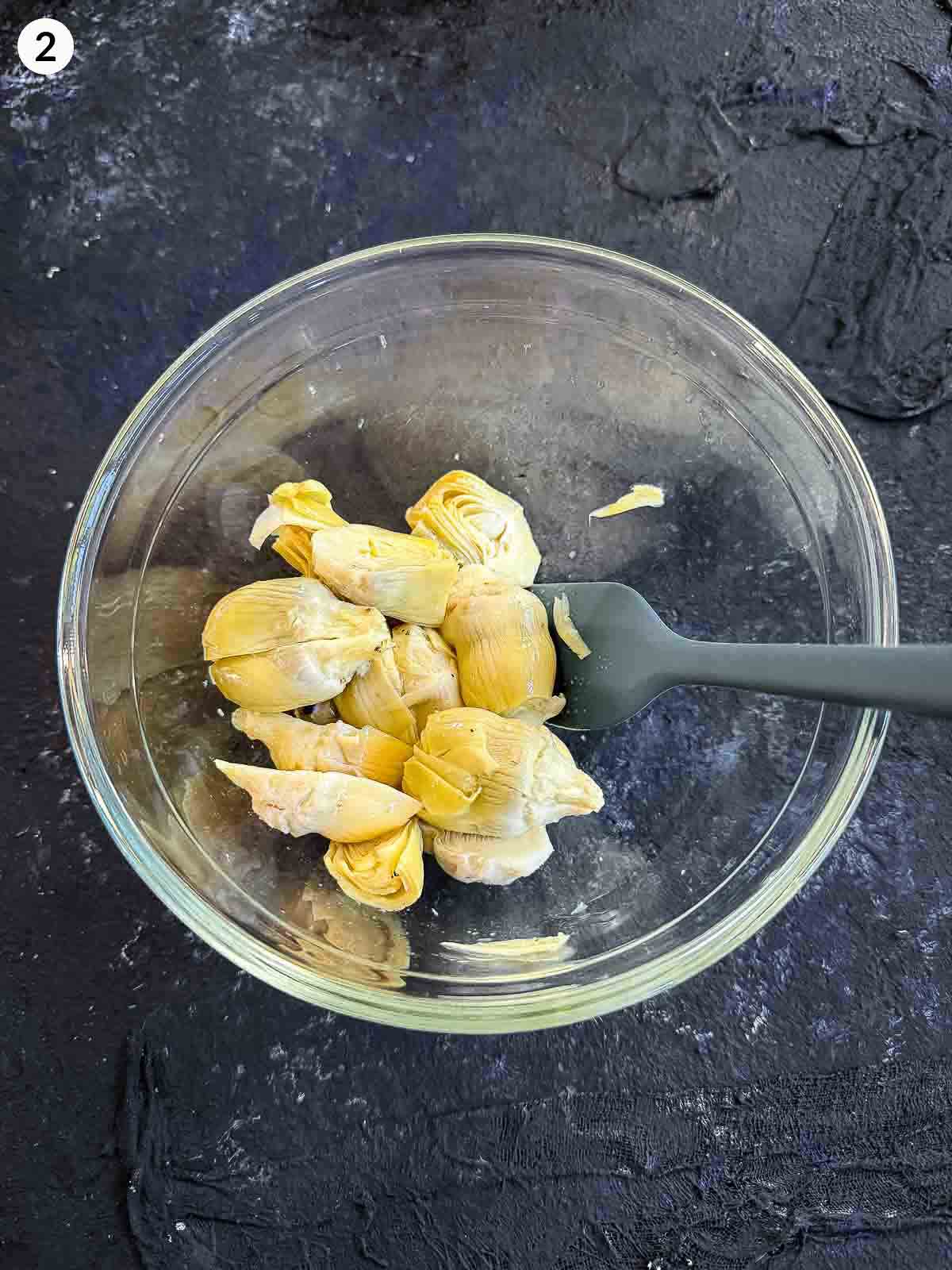
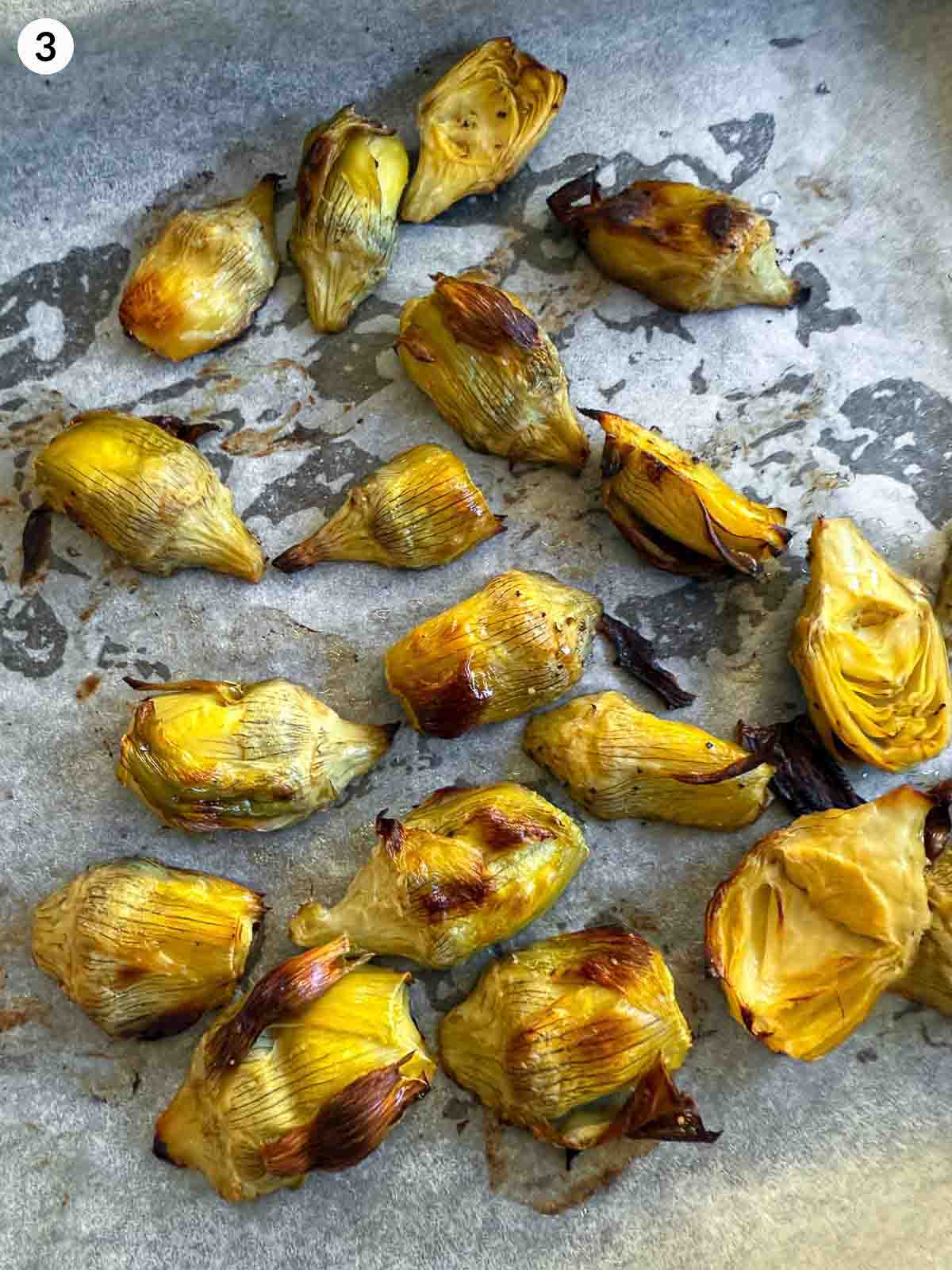
Drain artichoke hearts. Give them a quick rinse and pat dry with a paper towel.
Cut them in half and toss them in 2 tsp of olive oil.
Place on a parchment-lined sheet pan and roast in the oven at 200°C (400°F) for 30 minutes.
Alternatively, you can air-fry at 200°C for 10-12 minutes, flipping halfway.
How To Cook Israeli Couscous
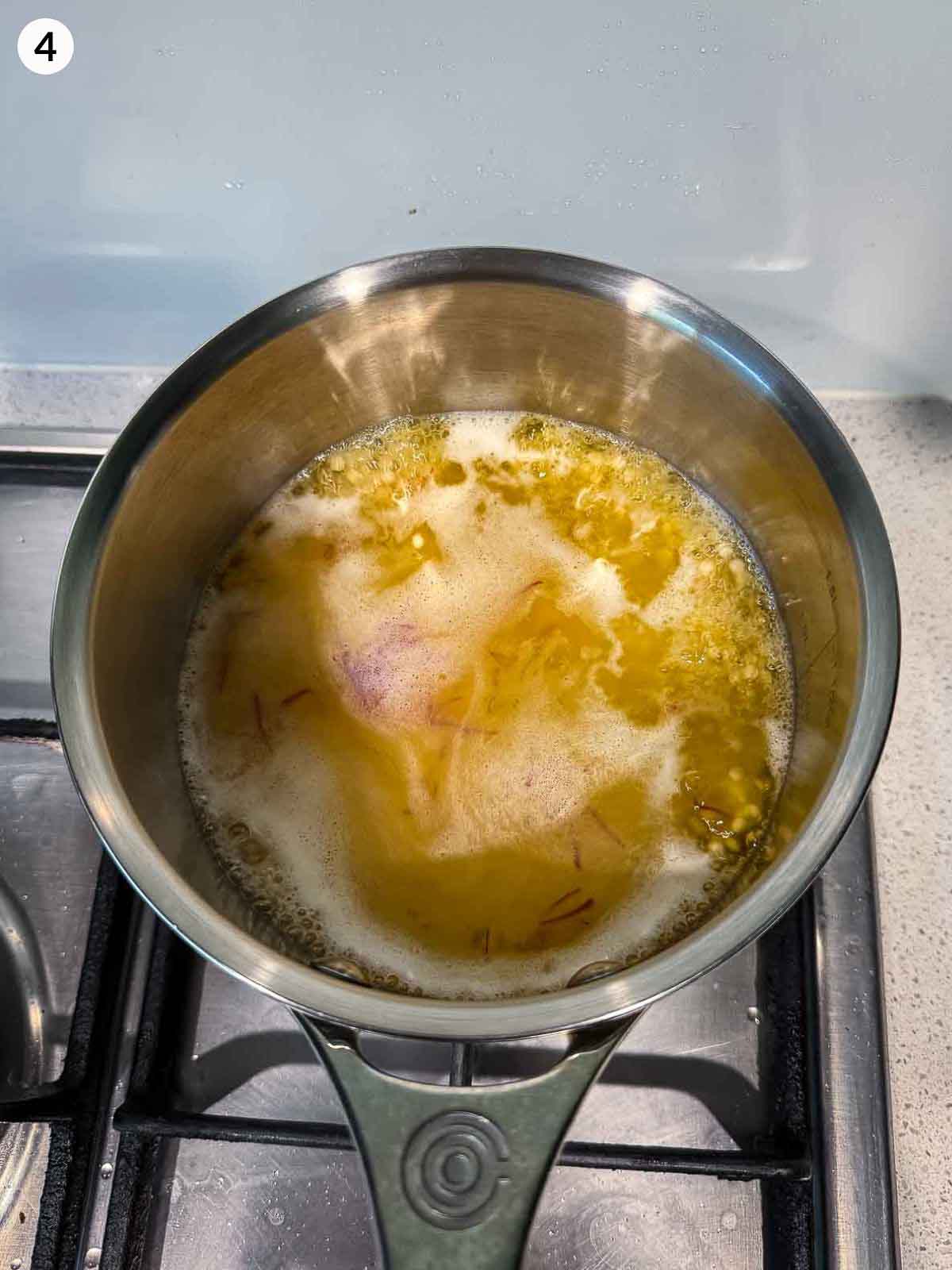
In a small pot, add 2 cups of water and bring to a boil.
Add 2 tsp of olive oil, saffron and Israeli couscous.
Bring to a simmer and cover and cook for 8-10 minutes, until al dente.
Once cooked, turn heat off and let it sit in its steam.
Use a fork to fluff the couscous when done.
How To Blister Tomatoes
Add 2 tsp of olive oil to a pan on medium heat.
Add cherry tomatoes and cook until blistered. It would only take 2-3 minutes.
Turn the heat off.
How To Assemble Salad
Add all other ingredients into the pan of blistered tomatoes while hot, except the artichoke hearts and a bit of the pistachios for garnish.
Gently fold until combined to absorb all the juicy goodness.
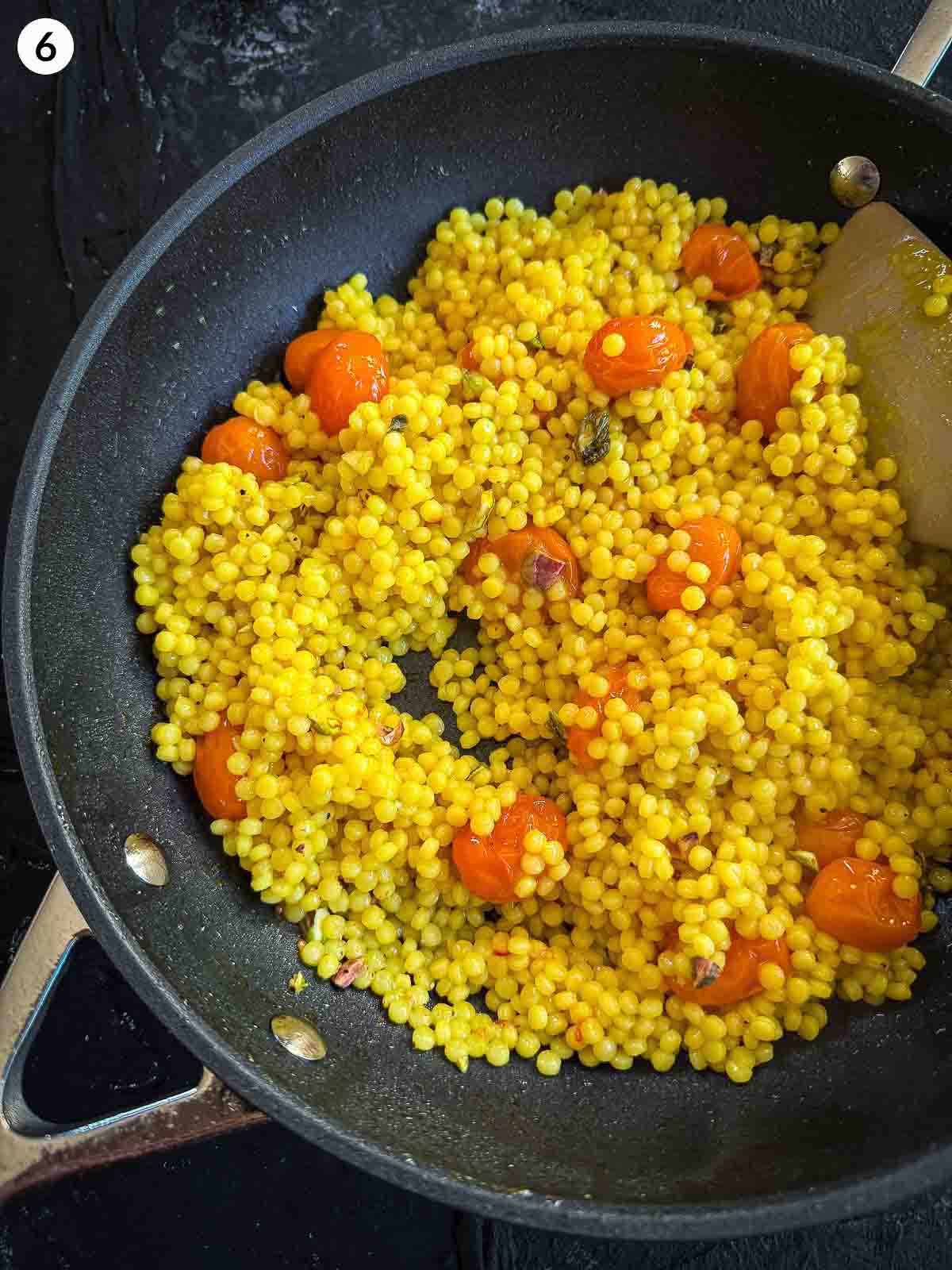
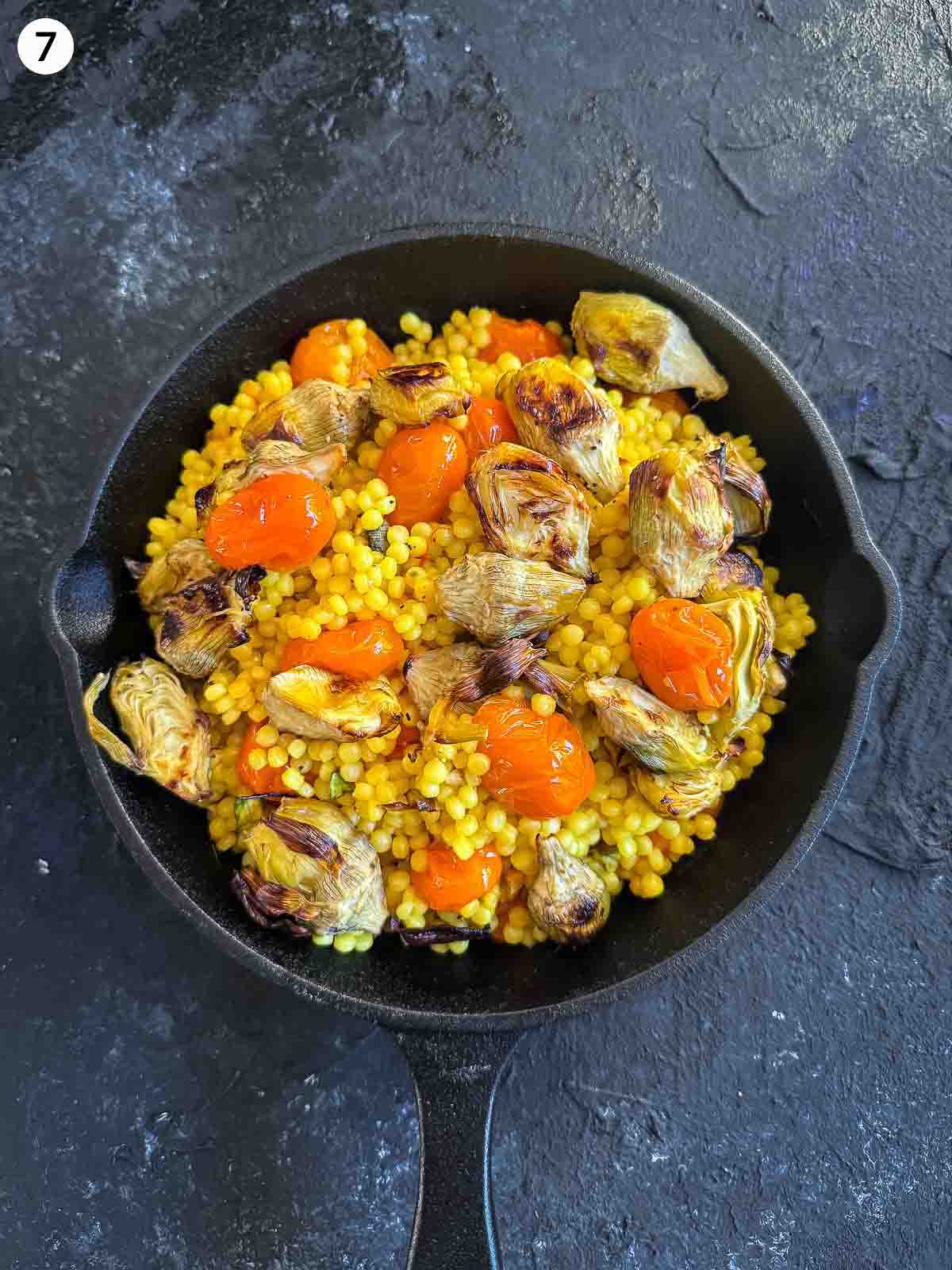
Place mixture onto a serving plate.
Tuck the roasted artichoke hearts in between the salad.
Add the rest of the pistachios on top for garnish.
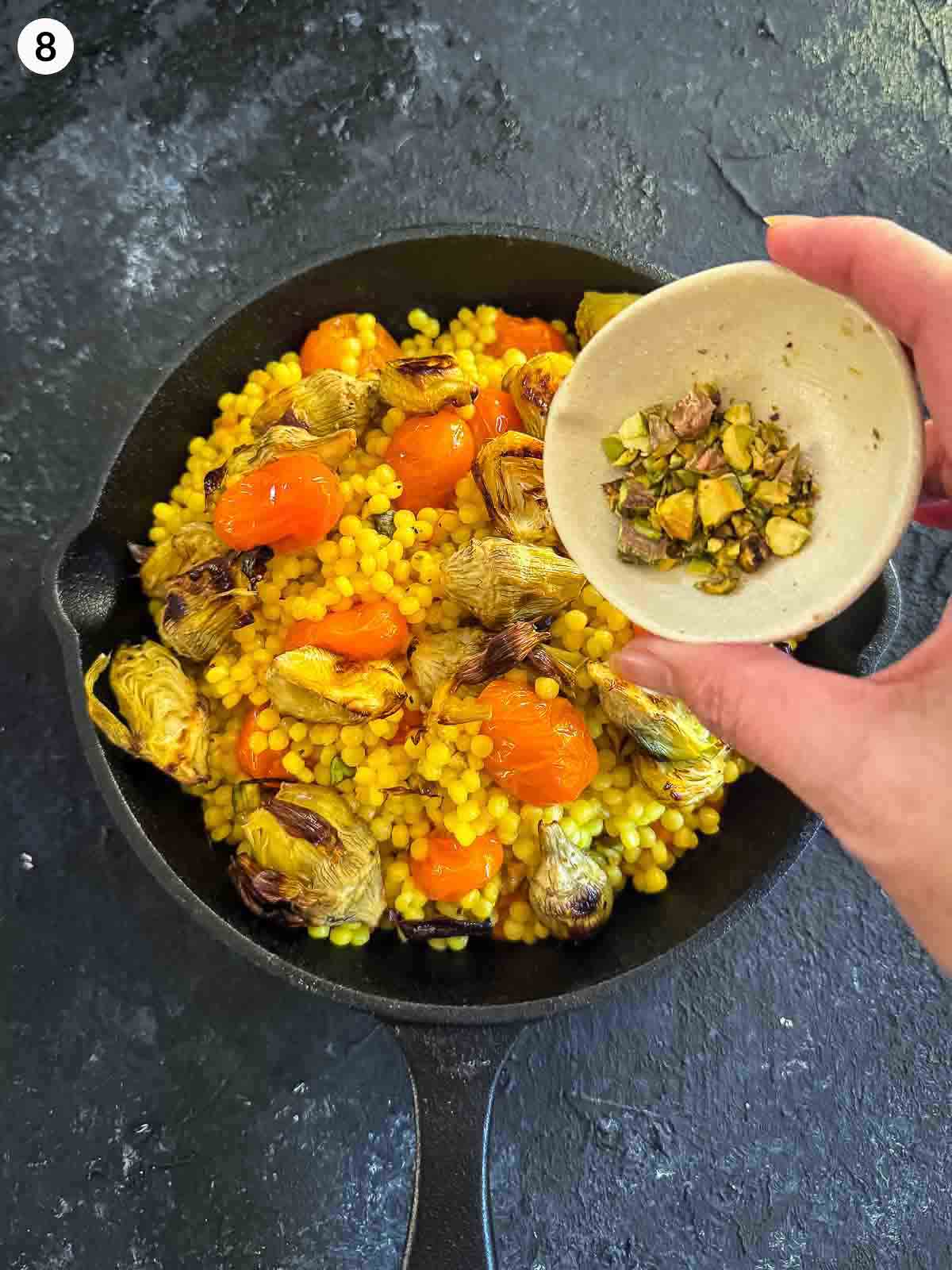
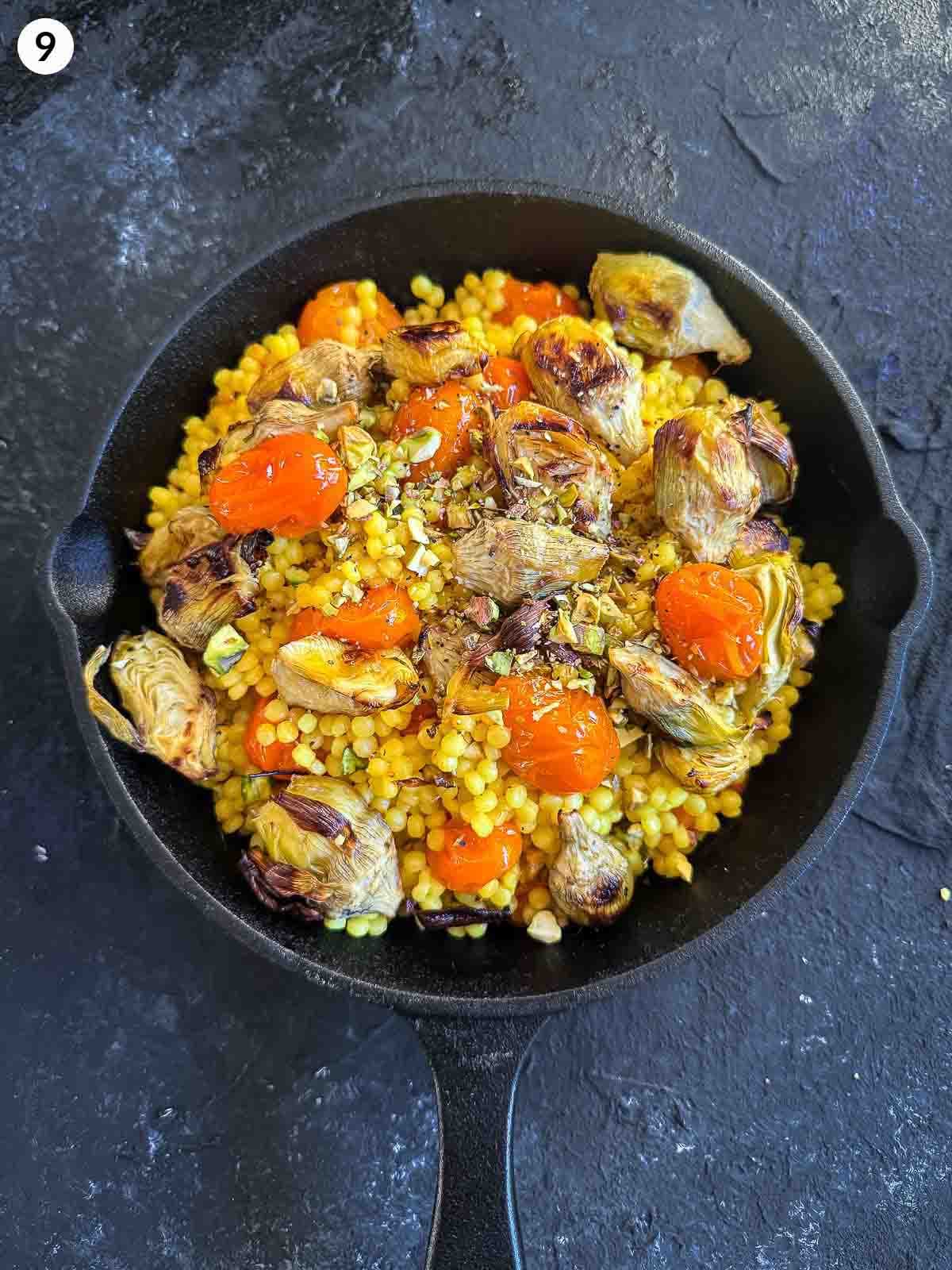
Serve.
Preheat the oven to 200°C. Roast halved, oil-tossed artichoke hearts until golden and crispy. Meanwhile, cook saffron-infused Israeli couscous until al dente, then gently fold it with blistered cherry tomatoes, lemon juice, pistachios, and seasoning. Transfer to a serving plate, tuck the roasted artichokes throughout, and finish with a scattering of extra pistachios for crunch. Serve warm.
How to Make This Salad Perfectly [Expert Tips]
Steep the saffron first for maximum colour and flavour: Rather than adding saffron threads directly to boiling water, steep them in a few tablespoons of hot (not boiling) water for 5–10 minutes before adding to the pot. This releases the colour and flavour compounds more fully than throwing them into a rolling boil.
Dry the artichoke hearts thoroughly: Any moisture left on jarred artichoke hearts will steam in the oven rather than roast, and you will lose the slightly caramelised, golden edges that give them their best texture and flavour.
Pat them dry with paper towel and give them a few minutes on the towel before oiling and roasting.
Let the couscous sit in its steam: Once the cooking time is up, turn the heat off and leave the lid on for a few minutes.
This allows the couscous to finish cooking in residual steam and results in a more evenly cooked, fluffy texture throughout.
Fold gently, don’t stir aggressively: When combining the couscous and tomatoes in the pan, fold rather than stir.
Israeli couscous pearls can break if handled roughly, and the tomatoes should retain some of their shape rather than dissolving completely into the mixture.
Assemble on the platter; don’t mix everything in a bowl: Tucking the artichoke hearts into the couscous on the serving platter keeps them visible, beautiful, and intact. It is the difference between a dish that looks casually thrown together and one that looks considered and impressive.
Taste before you season: The artichoke hearts from the jar may already carry some salt. Taste the assembled dish before adding salt and adjust from there.
Blister the tomatoes until they just start to split and release their juices. Immediately turn off the heat and add the couscous to the pan rather than transferring everything to a mixing bowl.
The residual heat in the pan and the tomato juices absorb into the couscous as you fold everything together, giving the pearls a depth of flavour you simply cannot get by mixing in a cold bowl. This is the step that makes the saffron Israeli couscous taste like it has been cooking together for much longer than it has.
Frequently Asked Questions
Israeli couscous, also called pearl couscous or ptitim, is a toasted pasta made from semolina flour. The pearls are round, significantly larger, and have a chewy, satisfying texture.
Regular Moroccan couscous is much finer and fluffier and cooks almost instantly. They are not interchangeable in recipes.
The cooking method, liquid absorption, and final texture are completely different. For recipes for Israeli couscous, you need the pearled variety specifically.
The pasta or grains aisle of most major supermarkets now stocks it. Look for it labelled as pearl couscous or Israeli couscous. You will also find it at Middle Eastern grocery stores, specialty food stores, and delis. It is becoming increasingly easy to find.
Yes, with some care. The couscous and artichokes can be made ahead and stored separately. Blister the tomatoes and assemble just before serving for the best texture.
If making the full dish ahead, add a drizzle of olive oil and a squeeze of lemon before reheating gently, as the couscous can dry out in the fridge.
Very much so. It is visually stunning, feeds a crowd easily, suits a wide range of dietary needs (vegetarian, dairy free, vegan), and can be partially prepped in advance. It is the kind of dish that earns genuine compliments at a dinner table.
You can, but it adds significant prep time. Fresh artichokes require trimming, cooking, and preparing before roasting.
Jarred artichoke hearts are an excellent shortcut that produces very good results in this recipe. There is no meaningful quality trade-off for a roasted application like this.
This saffron Israeli couscous recipe has been made and refined in our kitchen to make sure the saffron balance, couscous texture, and assembly method are exactly right every time. We love a recipe that looks and tastes far more complex than the effort it requires, and this one absolutely delivers. Golden, fragrant, and genuinely special, this is the Israeli couscous salad recipe we will be making forever.
FEED YOUR FOMO! For more sides and salads, subscribe to our newsletter or follow us on Facebook, Instagram, Pinterest and YouTube to get our latest updates.

Saffron Israeli Couscous with Roasted Artichoke Hearts
Ingredients
Click on the toggle below for conversion to US Cooking Units.
Instructions
How To Roast Artichokes
- Drain artichoke hearts. Give them a quick rinse and pat dry with a paper towel.
- Cut them in half and toss them in 2 tsp of olive oil.
- Place on a parchment-lined sheet pan and roast in the oven at 200°C (400°F) for 30 minutes.
- Alternatively, you can air-fry at 200°C for 10-12 minutes, flipping halfway.
How To Cook Israeli Couscous
- In a small pot, add 2 cups of water and bring to a boil.
- Add 2 tsp of olive oil, saffron and Israeli couscous.
- Bring to a simmer and cover and cook for 8-10 minutes, until al dente.
- Once cooked, turn heat off and let it sit in its steam.
- Use a fork to fluff the couscous when done.
How To Blister Tomatoes
- Add 2 tsp of olive oil to a pan on medium heat.
- Add cherry tomatoes and cook until blistered. It would only take 2-3 minutes.
- Turn the heat off.
Assembly
- Add all other ingredients into the pan of blistered tomatoes except the artichoke hearts and a bit of the pistachios for garnish.
- Gently fold until combined so it absorbs all the juicy goodness.
- Place mixture onto a serving plate.
- Tuck the roasted artichoke hearts in between the salad.
- Add the rest of the pistachios on top for garnish.
- Serve.
Notes
- Air fryer artichokes: Air fry at 200°C for 10–12 minutes, flipping halfway. Faster than the oven and produces excellent caramelisation on the edges. This worked perfectly for our Air Fryer Eggplant with Roasted Red Pepper Sauce and Air Fryer Potatoes with Truffle Salt.
- Add herbs: Fresh flat-leaf parsley or fresh mint stirred through at the end adds brightness and a herby freshness that complements the saffron beautifully. Dill is another lovely option.
- Add feta: Crumbled feta scattered over the top before serving adds a salty, creamy contrast that works very well with the saffron and tomatoes. It makes the dish more substantial too.
- No jarred artichokes? Frozen artichoke hearts work well. Thaw completely and pat very dry before roasting. Fresh artichokes are wonderful but require significant prep time.
- Add more vegetables: Roasted zucchini, blistered capsicum, or roasted cauliflower florets all work beautifully with saffron couscous. Keep the additions similar in size to the other components.
- Steep the saffron first for maximum colour and flavour: Rather than adding saffron threads directly to boiling water, steep them in a few tablespoons of hot (not boiling) water for 5–10 minutes before adding to the pot. This releases the colour and flavour compounds more fully than throwing them into a rolling boil.
- Dry the artichoke hearts thoroughly: Any moisture left on jarred artichoke hearts will steam in the oven rather than roast, and you will lose the slightly caramelised, golden edges that give them their best texture and flavour. Pat them dry with paper towel and give them a few minutes on the towel before oiling and roasting.
- Let the couscous sit in its steam: Once the cooking time is up, turn the heat off and leave the lid on for a few minutes. This allows the couscous to finish cooking in residual steam and results in a more evenly cooked, fluffy texture throughout.
- Fold gently, don’t stir aggressively: When combining the couscous and tomatoes in the pan, fold rather than stir. Israeli couscous pearls can break if handled roughly, and the tomatoes should retain some of their shape rather than dissolving completely into the mixture.
- Assemble on the platter; don’t mix everything in a bowl: Tucking the artichoke hearts into the couscous on the serving platter keeps them visible, beautiful, and intact. It is the difference between a dish that looks casually thrown together and one that looks considered and impressive.
- Taste before you season: The artichoke hearts from the jar may already carry some salt. Taste the assembled dish before adding salt and adjust from there.
- Swap the nuts: Toasted pine nuts are a classic alternative to pistachios and pair beautifully with the Mediterranean flavour profile. Toasted almonds work too.
Nutrition
*Disclaimer: Nutritional information provided is an estimate only and generated by an online calculator.
Hey there! We’re The Sidesmith!

Phenie
I tell the stories behind our recipes and capture the bits that make us human.

Sammy
I create delicious sides, often Asian-inspired. Easy for everyday meals or great for entertaining.

Amy
Love turning everyday salads and sides into fancy recipes jammed packed with flavour!



GRAB YOUR SUMMERTIME ECOOKBOOK NOW!
New Summertime Recipes
Be summer ready and get our new Summertime Sides & Salads eCookbook! These are all exclusive, never seen before recipes. They are all tried and tested with everyday easy to find ingredients and yet are restaurant quality in style. Get your copy today!